
Termite Inspections in Southern California
Free Termite Inspections, Treatment & Structural Repairs
Concerned about termites in your home or preparing to sell a property? Roadrunner Exterminating provides free termite inspections for Southern California homeowners. Our team checks accessible areas for termite activity, visible damage, and conditions that may contribute to infestations. We explain our findings and recommend appropriate treatment or repair options, with pricing provided before work begins.
What Happens During a Termite Inspection?
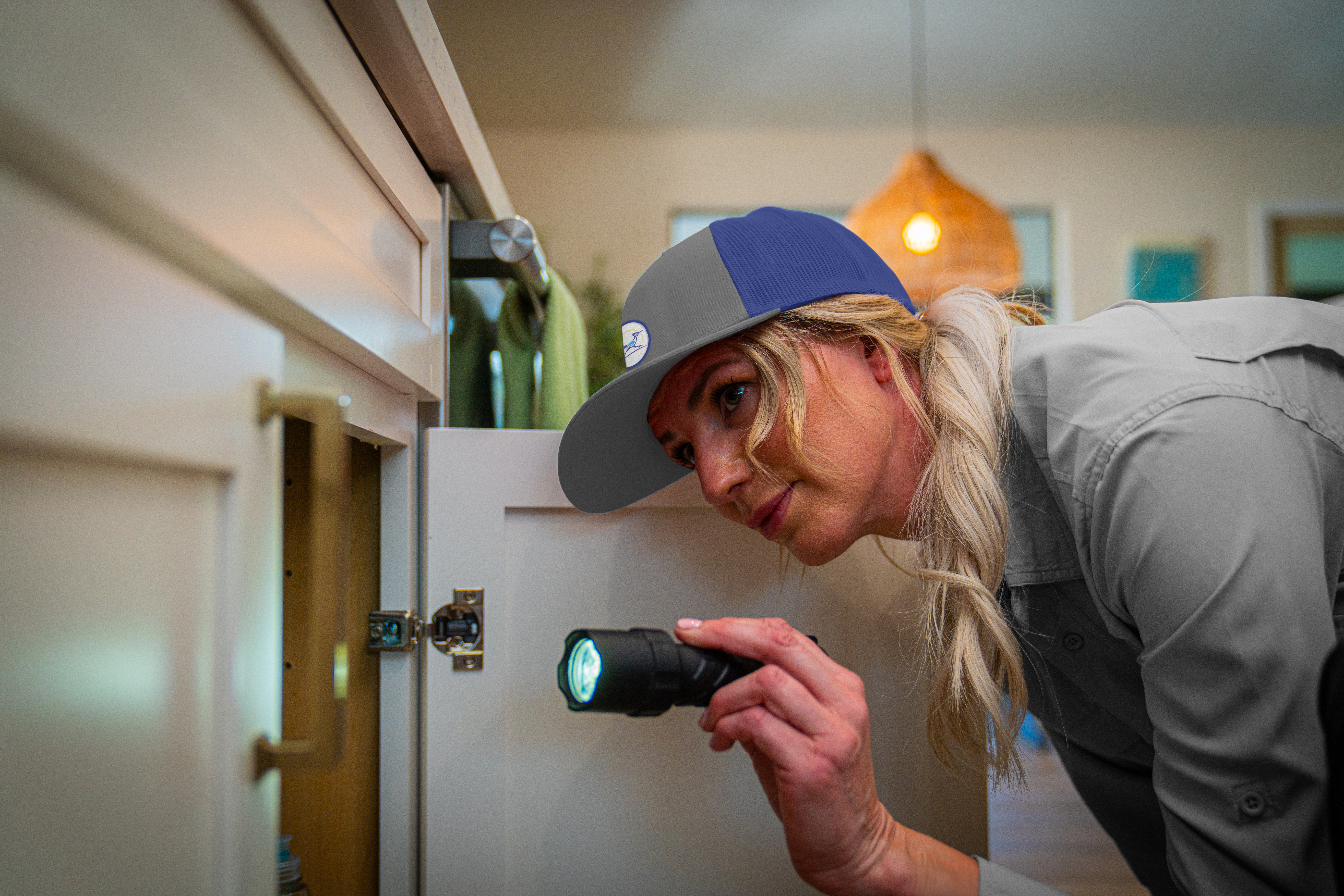
A professional termite inspection helps identify visible termite activity, structural damage, and areas that may require further evaluation.
Our inspectors examine accessible areas of your property, including:
- Attics, crawl spaces, and exposed wooden framing
- Baseboards, door frames, windows, and trim
- Exterior siding, fascia boards, and other wooden components
- Foundations, moisture-prone areas, and wood-to-soil contact
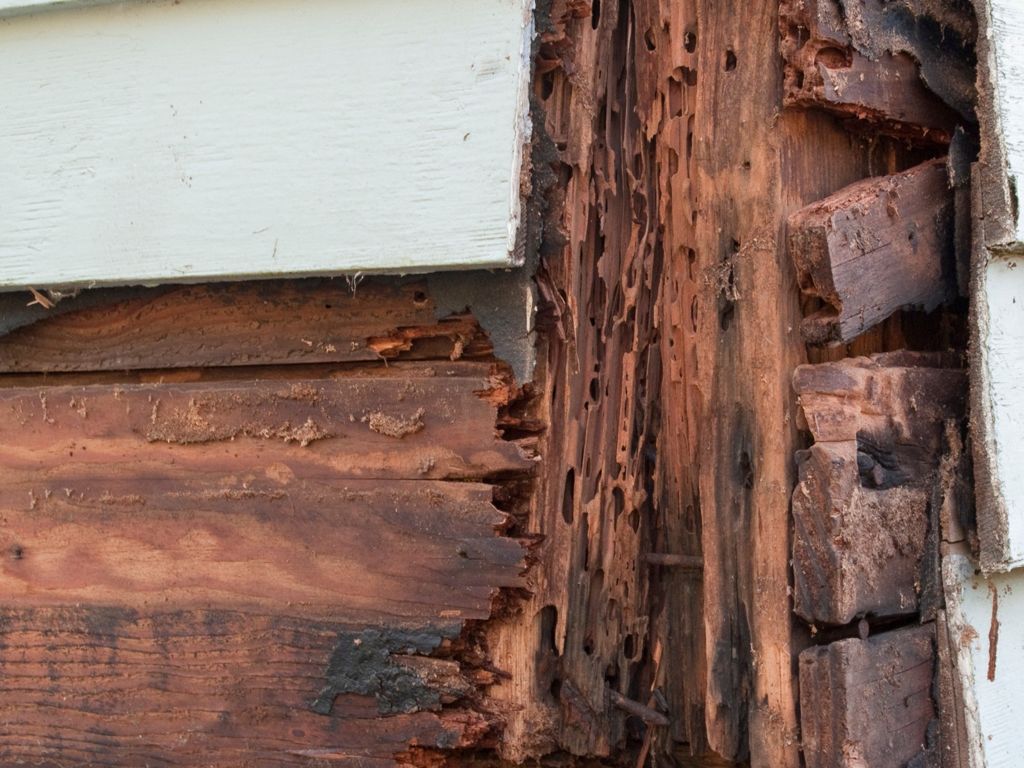
- Evidence of termite activity, including droppings, wings, and damaged wood
After the inspection, we explain what we found, discuss any limitations, and recommend next steps. When appropriate, we can provide a written Wood Destroying Organism (WDO) inspection report for real estate transactions.
Signs of Termites in Your Home
Termites can remain hidden for years, making early detection difficult. Common warning signs include:
- Termite droppings: Small, hard, six-sided pellets beneath infested wood.
- Discarded wings: Wings around windows, doors, or other areas where termites swarm.
- Damaged wood: Hollow-sounding, weakened, or visibly deteriorating wooden surfaces.
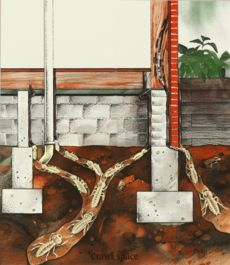
- Mud tubes: Soil-based tunnels used by subterranean termites.
- Tiny openings: Small holes where drywood termites push droppings out of wood.
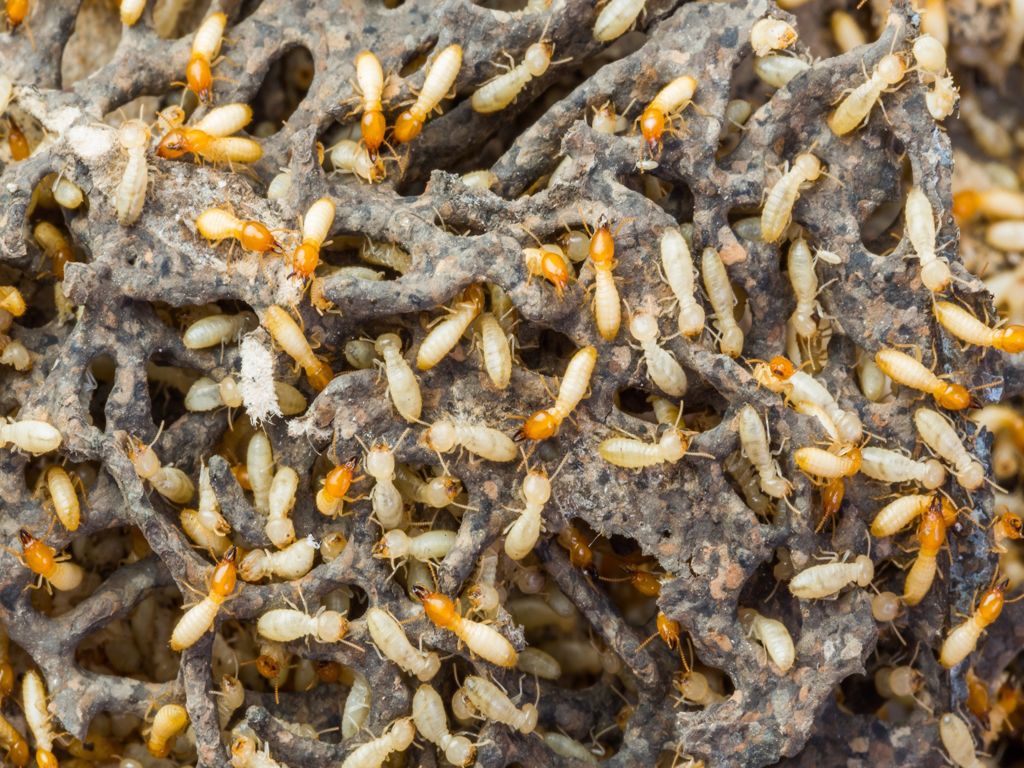
According to the University of California Statewide Integrated Pest Management Program, drywood termite colonies usually contain fewer than 1,000 individuals. Their small size and concealed location can make infestations difficult to detect.
Source: UC IPM — Drywood Termites
Drywood vs. Subterranean Termites in California
Southern California homes face two important termite threats.
Drywood Termites
Western drywood termites (Incisitermes minor) live inside wood without needing contact with soil. They may infest framing, trim, doors, and other wooden components. Their distinctive fecal pellets are often the first visible warning sign.
Subterranean Termites
Subterranean termites typically live in soil and access structures through protected pathways. Mud tubes, damaged wood, and moisture-related conditions can indicate an infestation.
Identifying the termite type helps determine which termite control method is appropriate.
Termite Inspections for Homebuyers, Sellers & Escrow
Termite inspections are an important part of many California real estate transactions. A WDO report documents visible findings and may identify issues requiring treatment, repairs, or further inspection.
California reports distinguish between:
- Section 1: Visible evidence of infestation, infection, or resulting damage.
- Section 2: Conditions considered likely to lead to infestation or infection.
- Further inspection: Areas that cannot be fully evaluated without additional access or investigation.
If you’re buying or selling a property, schedule your inspection early enough to allow time for the report, estimates, treatment, and any necessary repairs before closing.
Termite Treatment Options After an Inspection
Not every infestation requires whole-home fumigation. The recommended termite treatment depends on the termite species, extent of activity, and accessibility of affected areas.
Localized treatment: Spot applications, foam, or injection methods may be appropriate for limited, accessible infestations. Hidden colonies outside treated areas may remain.
Heat treatment: Controlled heat may be suitable for certain infestations, depending on the building and affected materials.
Structural fumigation: Widespread or inaccessible drywood termite infestations may require whole-structure treatment.
Roadrunner evaluates the available options and explains the recommended approach. Learn more about our structural fumigation services.
What If My Home Needs Fumigation?
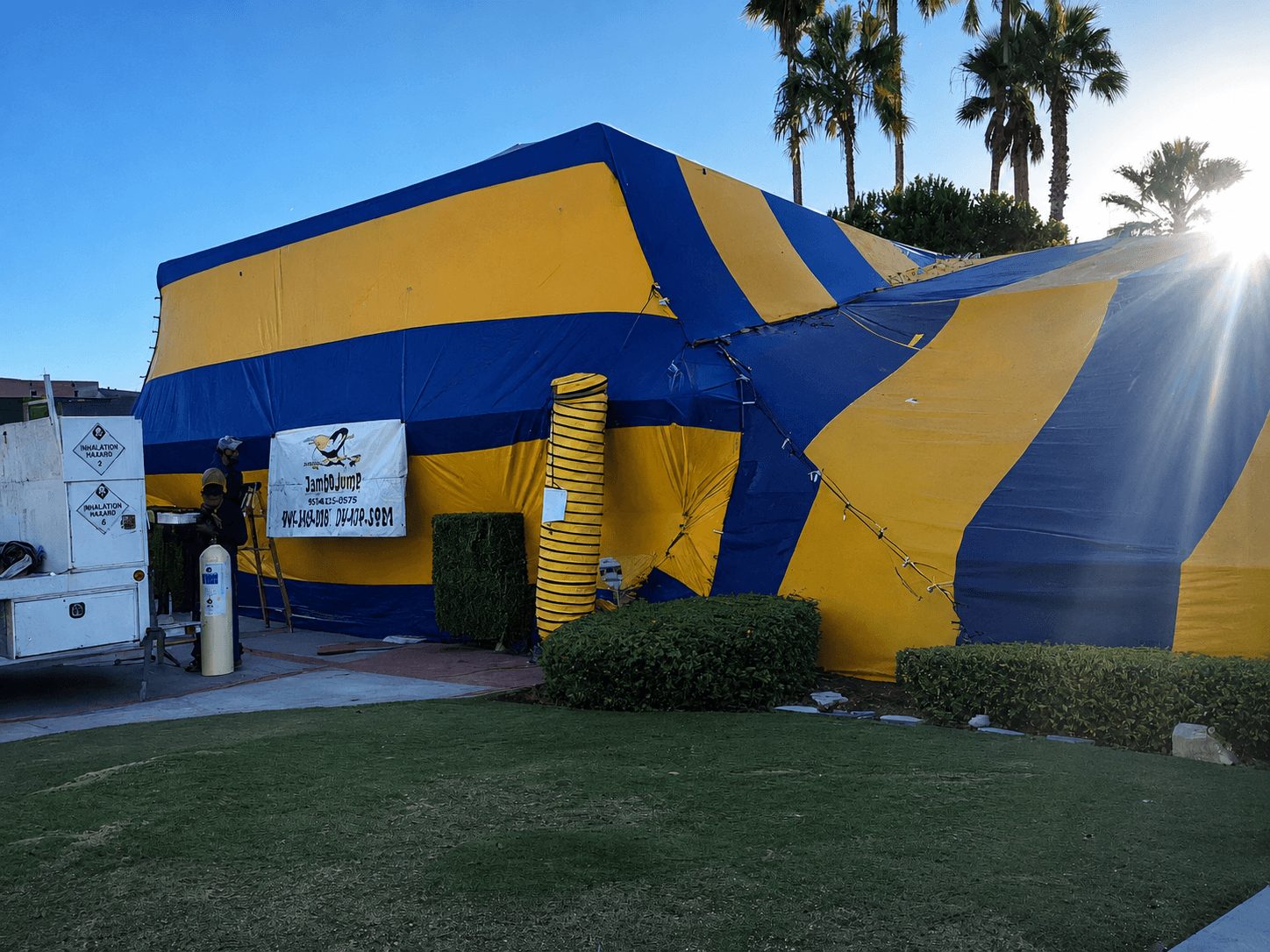
Structural fumigation involves enclosing the building, completing treatment, ventilating the structure, and confirming it is cleared for reentry.
Residents and pets must leave during treatment. Certain food, medications, and other items may require removal or special bagging. Plants and landscaping near the building may also require preparation.
Fumigation commonly requires several days away from home. Your exact schedule and preparation requirements will be explained before treatment.
Your Trusted Pest Control Experts



Why Choose Roadrunner Exterminating?
Roadrunner has served Southern California since 2001, providing termite control, licensed fumigation services, and structural repairs.
Our team can help identify termite problems, recommend appropriate treatment, and repair damaged timber when necessary. This allows homeowners to address both the infestation and resulting property damage through one company.
We also offer residential pest control services for other common household pests.
Termite Inspection FAQs
How long does a termite inspection take?
The time depends on the property’s size, accessibility, and conditions. Our team can explain the expected appointment length when scheduling.
Do I need a termite inspection when selling my home?
A termite inspection may be requested by a buyer, lender, or another party involved in the transaction. Requirements vary, so confirm the documentation needed for your sale.
Does finding termite droppings mean the infestation is active?
Not necessarily. Old pellets may remain after activity stops. A professional inspection helps evaluate other evidence and determine the appropriate next steps.
Does every termite infestation require tenting?
No. Localized treatments may be appropriate for limited infestations. Fumigation may be recommended when drywood termite activity is widespread or difficult to access.