
Termite Damage & Structural Wood Repair in Southern California
We Don’t Just Treat Termites. We Repair the Damage They Leave Behind.
Eliminating termites is only part of protecting your home. Once an infestation is treated, damaged wood may still need repair or replacement.
Roadrunner Exterminating provides termite damage repair, structural wood repair, and dry rot remediation for Southern California homeowners. With termite inspections, treatment, and structural repairs available through one company, we help simplify the process of restoring your property.
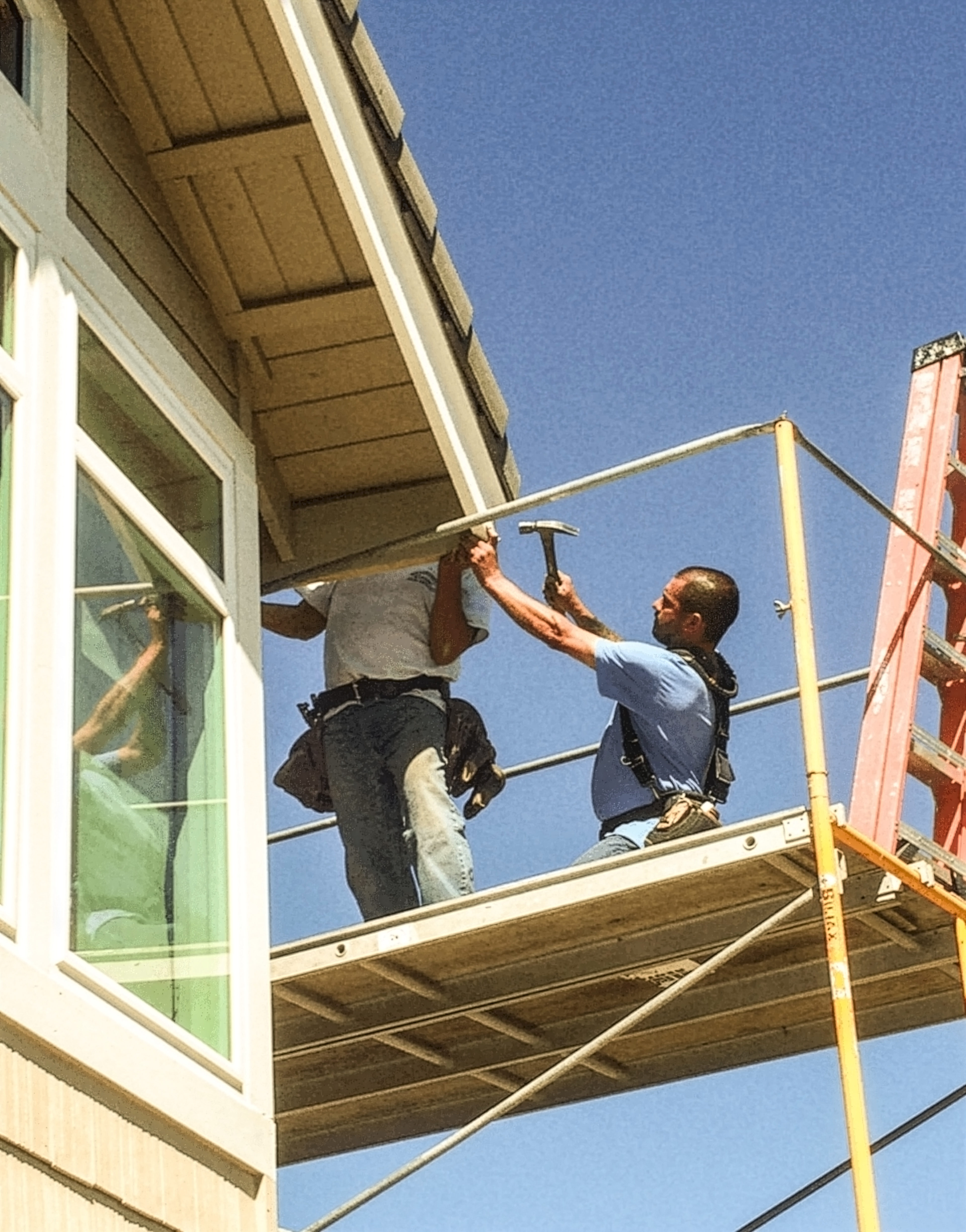
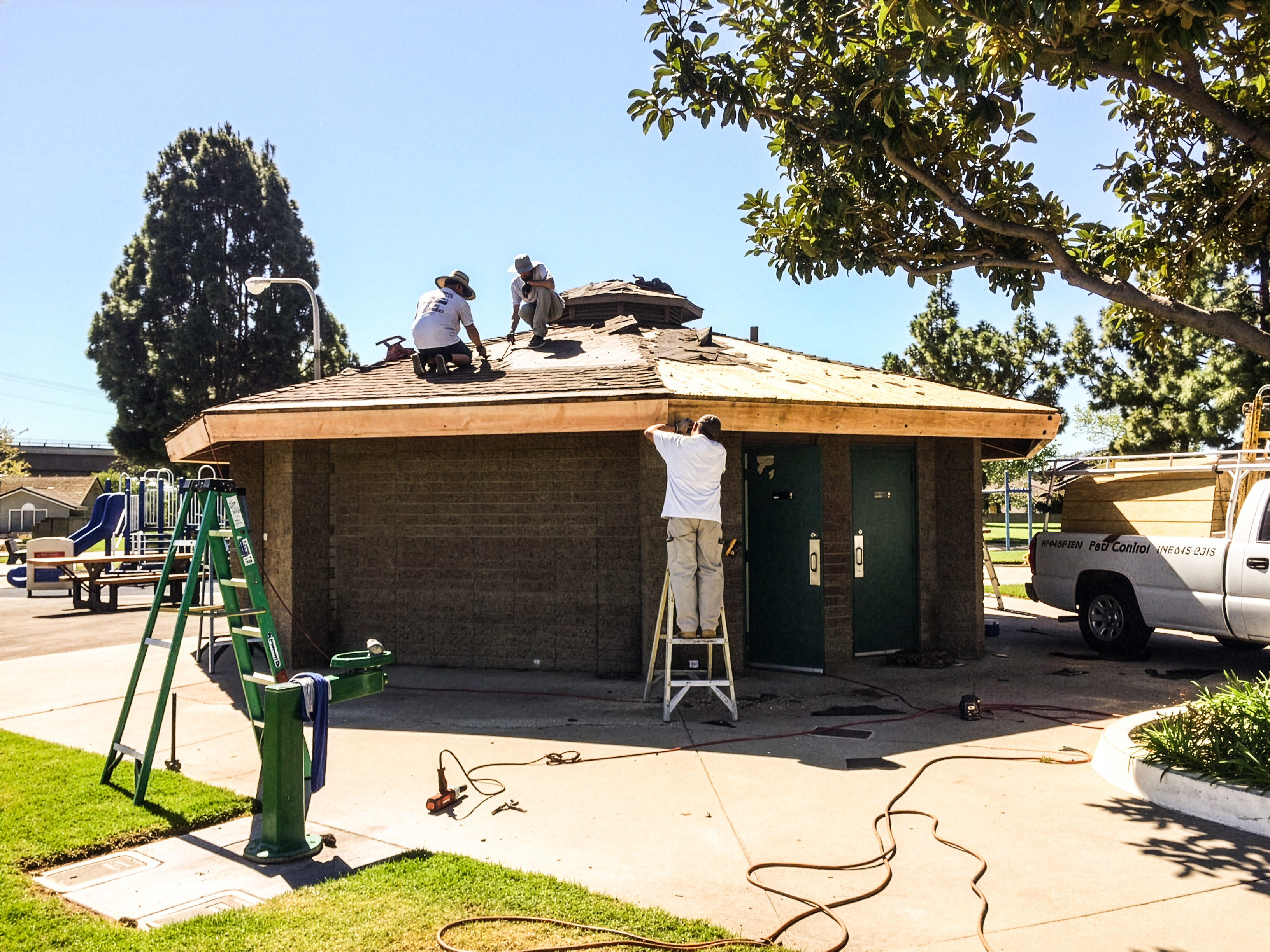
Termite Treatment Doesn’t Repair Damaged Wood
Termite treatment addresses the infestation, but it cannot reverse damage that has already occurred. Even after termite activity has been controlled, weakened or deteriorated wood may still need to be repaired or replaced.
In Southern California homes, termites can damage wooden framing, fascia boards, siding, trim, decks, and other structural components. Moisture-related deterioration and dry rot may also contribute to wood damage.
Repairing and Replacing Damaged Wood
RoadRunner Exterminating provides structural wood repair services to help homeowners address damage left behind by termites and wood decay. The recommended repairs depend on the location, extent, and condition of the affected materials.
Our team can evaluate visible damage, explain potential repair options, and identify areas that may require further assessment before restoration begins.
Learn more about our termite inspection and treatment services and how we help Southern California homeowners address termite problems.
What Types of Structural Damage Can We Repair?
Termites and moisture-related wood decay can affect both visible and concealed areas of your property.
Depending on the inspection findings and approved repair scope, structural repair services may include:
- Wood framing: Repairing or replacing damaged structural wood components.
- Fascia boards and eaves: Addressing deterioration along rooflines and exterior edges.
- Wood trim and siding: Replacing damaged exterior or interior wooden materials.
- Subfloors and support components: Evaluating and repairing affected wooden members where accessible.
- Dry rot damage: Addressing wood deterioration associated with fungal decay and moisture.
Not every damaged component requires complete replacement. The appropriate repair depends on its condition, location, and structural function.
Signs Your Home May Need Termite Damage Repair
Some termite damage is obvious. Other damage can remain hidden until a renovation, inspection, or repair exposes the affected wood.
Watch for:
- Wood that feels soft, hollow, or weakened
- Crumbling or visibly deteriorated wooden surfaces
- Small piles of drywood termite pellets
- Sagging or damaged trim and fascia boards
- Discarded termite wings near windows or doors
- Wood decay around moisture-prone areas
Western drywood termites (Incisitermes minor) are particularly relevant in Southern California because they live inside wood without requiring soil contact. Subterranean termites, by comparison, typically originate in soil and may damage wood through concealed pathways.
These signs don’t always indicate active termites or structural failure. A professional inspection helps determine the cause and appropriate next steps.
Our Structural Repair Process
1. Inspect the Property
We begin by evaluating accessible areas for termite activity, damaged wood, and conditions contributing to deterioration.
2. Recommend Treatment and Repairs
If active termites are found, we explain the appropriate treatment options. We also identify damaged areas requiring repair or replacement and discuss the proposed scope of work.
3. Complete the Approved Repairs
Our structural repair team addresses the affected wood according to the agreed-upon plan. More extensive structural work may require additional evaluation or permits.
4. Review the Completed Work
We review the completed repair scope and discuss any additional recommendations for maintaining your property.
Termite Fumigation and Structural Repairs
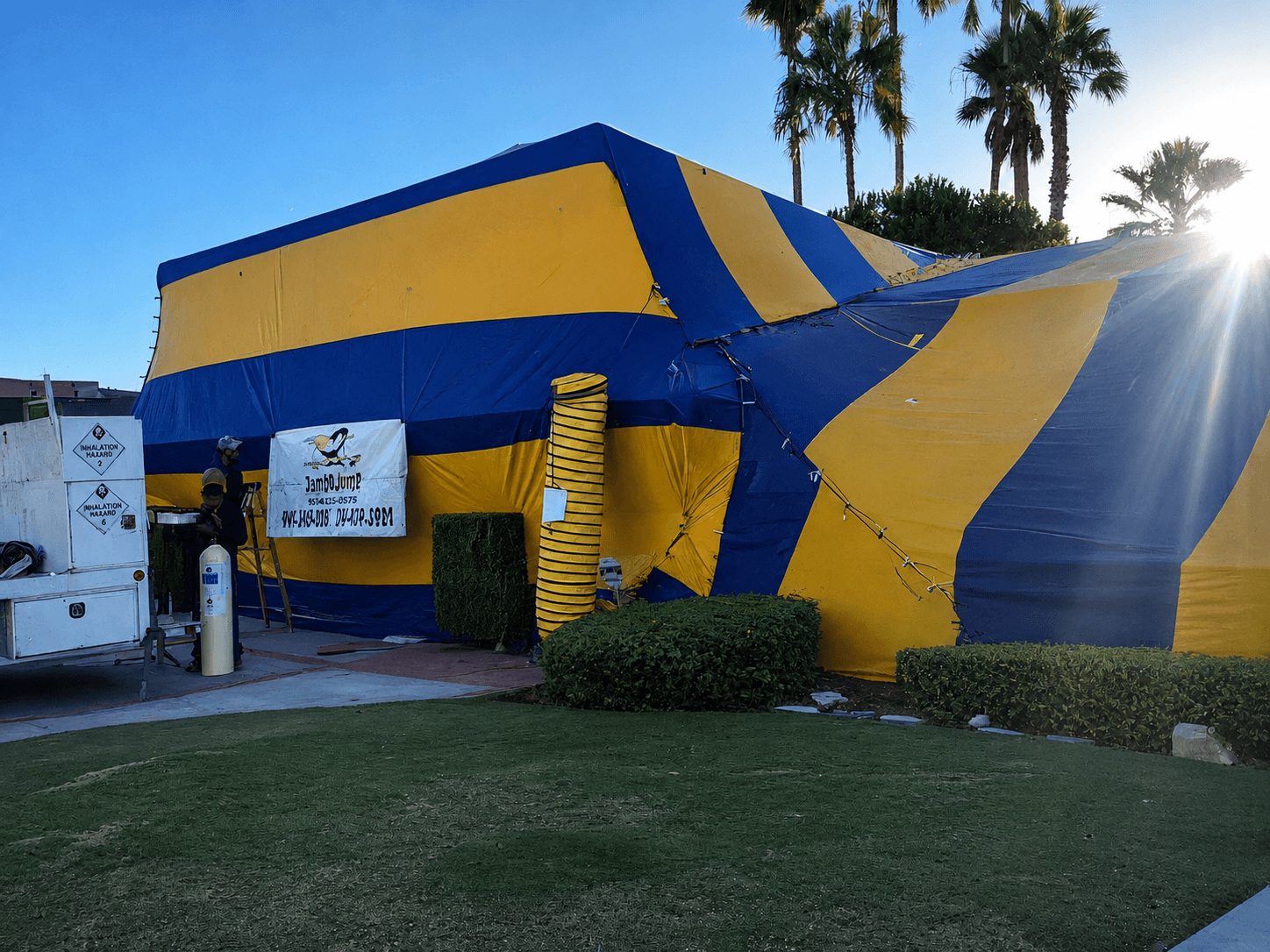
When drywood termite activity is widespread or hidden in inaccessible areas, whole-structure fumigation may be recommended.
Fumigation targets the infestation, but it does not restore wood that termites have already damaged. Both services may be necessary to address the complete problem.
For limited, accessible infestations, localized treatment may be an alternative. The recommended method depends on the inspection findings.
Learn more about our termite fumigation services.
Structural Repairs for California Home Sales
Termite damage can become a concern during real estate transactions, particularly when a Wood Destroying Organism (WDO) inspection identifies problems requiring attention.
California WDO reports distinguish between:
- Section 1 findings: Visible infestation, infection, or resulting damage.
- Section 2 findings: Conditions likely to lead to infestation or infection.
- Further inspection items: Areas requiring additional evaluation.
Roadrunner can help homeowners address termite treatment and necessary wood repairs during the transaction process.
Schedule an inspection early to allow time for reports, estimates, treatment, and repair work before closing.
How Much Does Termite Damage Repair Cost?
Structural repair costs depend on the location and extent of damage, accessibility, materials, and whether structural components require replacement.
Pricing can vary based on the type of repair needed, including:
- Minor wood and trim repairs
- Fascia, eave, or siding repairs
- Structural framing repairs
The appropriate repair scope and associated costs depend on the property’s condition and inspection findings.
Any required termite treatment is evaluated separately.
Why Choose Roadrunner Exterminating?
Roadrunner has served Southern California since 2001, offering termite control, fumigation, and structural repair services.
Our combined approach helps homeowners address the source of termite damage and the repairs left behind, with fewer handoffs between service providers.
Start with our termite inspection services to identify termite activity and determine what repairs may be necessary.
Frequently Asked Questions
Can termite-damaged wood be repaired instead of replaced?
Sometimes. The decision depends on how much wood has been damaged and whether the affected component performs a structural function.
Does termite fumigation repair existing damage?
No. Fumigation treats termite infestations but does not restore weakened or deteriorated wood.
Do I need to treat termites before repairing the wood?
Active termite activity should be evaluated as part of the repair plan. Treatment and repairs should be coordinated to avoid leaving an infestation unaddressed.
Your Trusted Pest Control Experts